
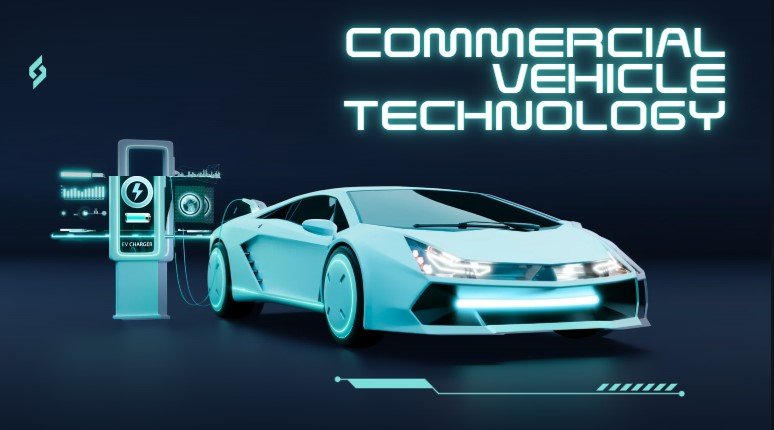
Commercial vehicle technology has changed the transportation industry in many ways. Today, trucks, buses, vans, and delivery vehicles are smarter, safer, and more fuel-efficient than ever before. Businesses depend on commercial vehicles to deliver products, transport passengers, and support daily operations. Thanks to new technology, these vehicles now perform better while reducing costs and protecting the environment.
From GPS tracking to electric engines, modern commercial vehicle technology helps companies save time, improve safety, and increase profits.
What Is Commercial Vehicle Technology?
These vehicles include trucks, buses, delivery vans, construction vehicles, and other transport vehicles.
The technology includes smart software, safety systems, fuel-saving engines, GPS tracking, sensors, cameras, and electric or hybrid power systems. These innovations make vehicles easier to drive, safer to operate, and more efficient Commercial vehicle technolo
Also Read : engineering technology degree
Types of Commercial Vehicles
Different businesses use different types of commercial vehicles technology depending on their needs.
Delivery Vans
Delivery vans transport small packages and online shopping orders to customers.
Heavy Trucks Commercial Vehicle Technology
Heavy trucks carry goods over long distances and support industries like construction, agriculture, and manufacturing.
Buses Commercial Vehicle Technology
Public and private buses use advanced technology to improve passenger comfort and driver safety.
Construction Vehicles
Bulldozers, dump trucks, and cement mixers also use modern technology to improve performance and reduce fuel usage Commercial vehicle technology
Important Features of Commercial Vehicle Technology
Modern commercial vehicles technology include many advanced features.
GPS Tracking Commercial Vehicle Technology
GPS tracking allows companies to know the exact location of every vehicle. This helps managers plan better routes, reduce delays, and improve customer service.
Driver Assistance Systems Commercial Vehicle Technology
Many commercial vehicle technology now include safety features like the following:
- Lane departure warning
- Blind spot monitoring
- Automatic emergency braking
- Adaptive cruise control
- Collision warning
These systems help reduce accidents and improve road safety.
Telematics Commercial Vehicle Technology
Telematics collects important information about the vehicle, including:
- Fuel usage
- Engine health
- Driving behaviour
- Speed
- Mileage
Fleet managers use this information to improve performance and reduce operating costs Commercial vehicle technology.
Fuel-Efficient Engines
Modern diesel, hybrid, and electric engines use less fuel while producing better performance. This helps businesses lower fuel expenses and reduce pollution.
Benefits of Commercial Vehicle Technology
Commercial vehicle technology offers many advantages for businesses and drivers.
Better Safety Commercial Vehicle Technology
Advanced safety systems help prevent accidents by warning drivers about possible dangers. Cameras and sensors also improve visibility.
Lower Fuel Costs
Fuel-efficient engines and route optimisation reduce fuel consumption. Companies can save thousands of dollars every year Commercial vehicle technology.
Reduced Maintenance Commercial Vehicle Technology
Smart monitoring systems detect problems before they become serious. Regular maintenance becomes easier, reducing repair costs and vehicle downtime.
Higher Productivity
GPS navigation and route planning help drivers reach destinations faster. Deliveries become more efficient, leading to happier customers.
Environmental Protection
Electric and hybrid commercial vehicles produce fewer emissions. This helps businesses meet environmental regulations while protecting nature Commercial vehicle technology.
Electric Commercial Vehicle Technology
Electric commercial vehicles are becoming more popular worldwide.
Advantages of Electric Vehicles
- Lower fuel costs
- Less air pollution
- Quieter operation
- Lower maintenance costs
- Better energy efficiency
Many delivery companies now use electric vans for city deliveries because they are environmentally friendly and economical Commercial vehicle technology.
Smart Fleet Management Commercial Vehicle Technology
Fleet management technology allows businesses to monitor all their vehicles from one system.
Fleet management software helps companies:
- Track vehicle locations
- Schedule maintenance
- Monitor fuel usage
- Improve driver performance
- Reduce unnecessary expenses
This technology increases efficiency and helps businesses make better decisions.
Artificial Intelligence in Commercial Vehicles
Artificial Intelligence (AI) is becoming an important part of commercial vehicle technology.
AI can:
- Predict vehicle maintenance
- Analyse driving behaviour
- Improve route planning
- Reduce fuel consumption
- Increase road safety
Some companies are also testing self-driving commercial trucks using AI and advanced sensors Commercial vehicle technology.
Future of Commercial Vehicle Technology
The future of commercial transportation looks very exciting. New technologies continue to improve every year.
Future trends include the following:
- Self-driving trucks
- Fully electric commercial fleets
- Hydrogen-powered vehicles
- Smart traffic communication
- Faster battery charging
- Advanced AI safety systems
These innovations will make transportation faster, safer, and more environmentally friendly.
Why Businesses Should Invest in Commercial Vehicle Technology
Businesses that invest in modern commercial vehicle technology can enjoy many long-term benefits.
These include:
- Lower operating costs
- Better customer satisfaction
- Increased driver safety
- Improved fuel efficiency
- Higher business profits
- Better vehicle performance
Although advanced technology may require an initial investment, it often saves money over time through lower fuel and maintenance costs.
Conclusion
Commercial vehicle technology is changing the transportation industry by making vehicles smarter, safer, and more efficient. Modern features like GPS tracking, telematics, AI, electric engines, and advanced safety systems help businesses improve operations while reducing costs.
As technology continues to grow, commercial vehicle technology will become even more reliable and environmentally friendly. Companies that adopt these innovations today will be better prepared for the future of transportation.
FAQs
What is commercial vehicle technology?
Commercial vehicle technology includes modern systems such as GPS, telematics, AI, safety features, and fuel-efficient engines used in business vehicles like trucks, buses, and delivery vans.
Why is commercial vehicle technology important?
It improves safety, reduces fuel costs, increases productivity, lowers maintenance expenses, and helps businesses manage their fleets more efficiently.
What is telematics in commercial vehicles?
Telematics is a system that collects vehicle data such as fuel usage, engine condition, speed, location, and driving behaviour to improve fleet management.
Are electric commercial vehicles better than diesel vehicles?
Electric vehicles offer lower running costs, less maintenance, and zero tailpipe emissions. However, diesel vehicles may still be better for very long-distance travel where charging infrastructure is limited.
How does GPS help commercial vehicles?
GPS helps drivers find the best routes, avoid traffic, reduce delivery time, save fuel, and improve customer service.
What is the future of commercial vehicle technology?
The future includes self-driving trucks, electric fleets, hydrogen-powered vehicles, AI-powered safety systems, and smarter fleet management solutions that make transportation safer and more efficient.