
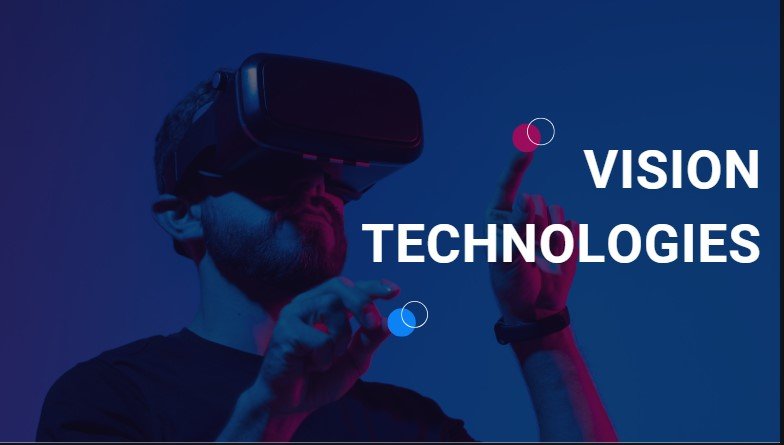
Vision technologies are changing the way people live and work. These technologies allow machines and computers to understand images and videos, just like human eyes. They use cameras, sensors, and artificial intelligence (AI) to identify objects, faces, colors, and movements.
Today, vision technologies are used in healthcare, security, manufacturing, education, transportation, and many other industries. They help improve accuracy, save time, and reduce human errors. As technology continues to grow, vision systems are becoming smarter and more useful in everyday life.
What Are Vision Technologies?
Vision technologies are systems that allow machines to see and understand the world around them. They collect visual information using cameras or sensors and then process the data with computer software.
These systems can recognize faces, read text, detect objects, measure sizes, and inspect products. Most modern vision technologies use artificial intelligence and machine learning to improve their performance over time.
Also Read : McLaren Technology Centre
How Vision Technologies Work
Vision technology works through several simple steps.
Image Capture
A camera or sensor captures an image or video of the object or environment.
Data Processing Vision technologies
The computer analyzes the image using software and AI algorithms.
Object Recognition
The system identifies objects, people, or patterns in the image.
Decision Making Vision technologies
After analyzing the image, the system performs an action, such as sorting products, unlocking a phone, or sending an alert Vision technology.
Types of Vision Technologies
There are different types of vision technologies available today.
Computer Vision
Computer vision allows computers to understand and analyze digital images and videos. It is one of the most common forms of vision technology.
Machine Vision Vision technologies
Machine vision is mainly used in factories and industries. It checks products for defects, measures sizes, and improves quality control.
Facial Recognition
Facial recognition systems identify people by analyzing their facial features. These systems are commonly used for security and smartphone unlocking Vision technology.
Optical Character Recognition (OCR)
OCR technology converts printed or handwritten text into digital text. It is widely used for scanning documents and invoices Vision technology.
3D Vision Systems Vision technologies
These systems create three-dimensional images to measure depth and shape.
Benefits of Vision Technologies
Vision technologies offer many advantages for businesses and individuals.
Improved Accuracy
Machines can detect tiny errors that humans may miss.
Faster Performance Vision technologies
Vision systems process thousands of images in a very short time.
Better Safety
They reduce the need for people to work in dangerous environments.
Cost Savings Vision technologies
Businesses save money by reducing waste, improving quality, and increasing productivity Vision technology.
Better Customer Experience
Vision technologies make services faster and more convenient, such as facial recognition for secure payments or phone access.
Applications of Vision Technologies
Vision technologies are used in many industries around the world.
Healthcare
Doctors use vision systems to analyze medical images like X-rays, CT scans, and MRIs. This helps detect diseases earlier and improves patient care.
Manufacturing Vision technologies
Factories use machine vision to inspect products, detect defects, and automate production lines.
Retail Vision technologies
Retail stores use vision technology for inventory management, self-checkout systems, and customer behavior analysis.
Security Vision technologies
Security cameras with AI can detect suspicious activities, recognize faces, and improve public safety.
Transportation
Self-driving cars use cameras and sensors to recognize roads, traffic signs, and pedestrians.
Agriculture Vision technologies
Farmers use drones and vision systems to monitor crops, identify plant diseases, and improve farming efficiency Vision technologies.
Challenges of Vision Technologies
Although vision technologies offer many benefits, they also have some challenges.
High Setup Cost
Advanced vision systems can be expensive to install.
Privacy Concerns Vision technologies
Facial recognition and surveillance systems may raise privacy issues.
Technical Limitations
Poor lighting, weather conditions, or low-quality images can reduce accuracy.
Need for Skilled Experts Vision technologies
Companies need trained professionals to install, manage, and maintain these systems Vision technologies.
Future of Vision Technologies
The future of vision technologies looks very bright. Artificial intelligence is making vision systems more accurate and intelligent every year.
Future developments may include smarter robots, safer self-driving cars, faster medical diagnosis, and advanced security systems. Businesses will continue adopting these Vision technologies to improve productivity and customer satisfaction.
As technology becomes more affordable, vision systems will become common in homes, schools, hospitals, and workplaces.
Tips for Businesses Using Vision Technologies
Businesses planning to use vision technologies should follow these tips:
- Choose the right system based on business needs.
- Invest in high-quality cameras and sensors.
- Train employees to use the technology properly.
- Keep software updated for better security and performance.
- Protect customer data and follow privacy regulations.
Conclusion
Vision technologies are transforming the modern world by allowing machines to see and understand visual information. They improve efficiency, accuracy, and safety in many industries, including healthcare, manufacturing, retail, transportation, and agriculture.
Although there are some challenges such as cost and privacy concerns, the benefits are much greater. As artificial intelligence continues to improve, vision technologies will become even more powerful and accessible. Businesses and individuals who adopt these innovations will be better prepared for the future.
FAQs
- What are vision technologies?
Vision technologies are systems that use cameras, sensors, and artificial intelligence to recognize and analyze images and videos.
- Where are vision technologies used?
They are used in healthcare, manufacturing, retail, transportation, agriculture, education, and security.
- What is computer vision?
Computer vision is a branch of AI that enables computers to understand and process visual information from images and videos.
- What are the main benefits of vision technologies?
They improve accuracy, increase speed, reduce costs, enhance safety, and automate many tasks.
- Are vision technologies safe?
Yes, they are generally safe when used responsibly. Companies should also protect user privacy and secure collected data.
AQs
Q: Can vision technologies replace human workers?
A: They mainly help workers by automating repetitive tasks, allowing people to focus on more skilled work.
Q: Do vision technologies always use AI?
A: Most modern systems use AI, but some basic vision systems work with simple image-processing software.
Q: Can small businesses use vision technologies?
A: Yes. Many affordable solutions are available for businesses of all sizes.
Q: What industries benefit the most from vision technologies?
A: Healthcare, manufacturing, retail, logistics, agriculture, and transportation benefit the most.
Q: What is the future of vision technologies?
A: The future includes smarter automation, better medical diagnosis, improved robotics, and safer autonomous vehicles.